

השגרה, השבת והחג הם נקודת המוצא שלנו. ב־DIAMONDSMART חטיבת מוצרי החשמל והפתרונות החכמים של S.B.I.D הפיתוח מתחיל בצרכים , בערכים ובדרישות ההלכה שמעצבים את הבית היהודי.
בכל פיתוח אנחנו מתחילים בהבנה של האנשים שעבורם המוצר נועד. מה הם צריכים , מה חשוב להם ואיך הוא ישתלב בשגרה שלהם. אנחנו בוחנים את הרגלי השימוש, את סביבת המוצר ואת הפרטים שמשפיעים על החוויה היומיומית.
ההבנה הזאת מכוונת את הבחירות ההנדסיות, מהחומרה והתוכנה ועד לממשק ולאופן ההפעלה. דרישות ההלכה הן חלק מהחשיבה כבר בתחילת הדרך, לצד הנוחות, העיצוב והצרכים המעשיים . כך מתגבשת תפיסת פיתוח שמחברת בין מה שהטכנולוגיה מאפשרת לבין מה שהחיים דורשים.
מוצרי החשמל מלווים אותנו לאורך השבוע, אך השימוש בהם בימי החול, בשבת ובחג דורש התייחסות שונה. אנחנו מביאים את ההבדלים האלה אל תכנון המוצר, כדי לחבר בין נוחות ביום־יום לבין ההתאמה הנדרשת לשבת ולחג.
מוצרי חשמל ופתרונות חכמים , שפותחו מתוך הבנה של הצרכים , ההרגלים והערכים שלכם.
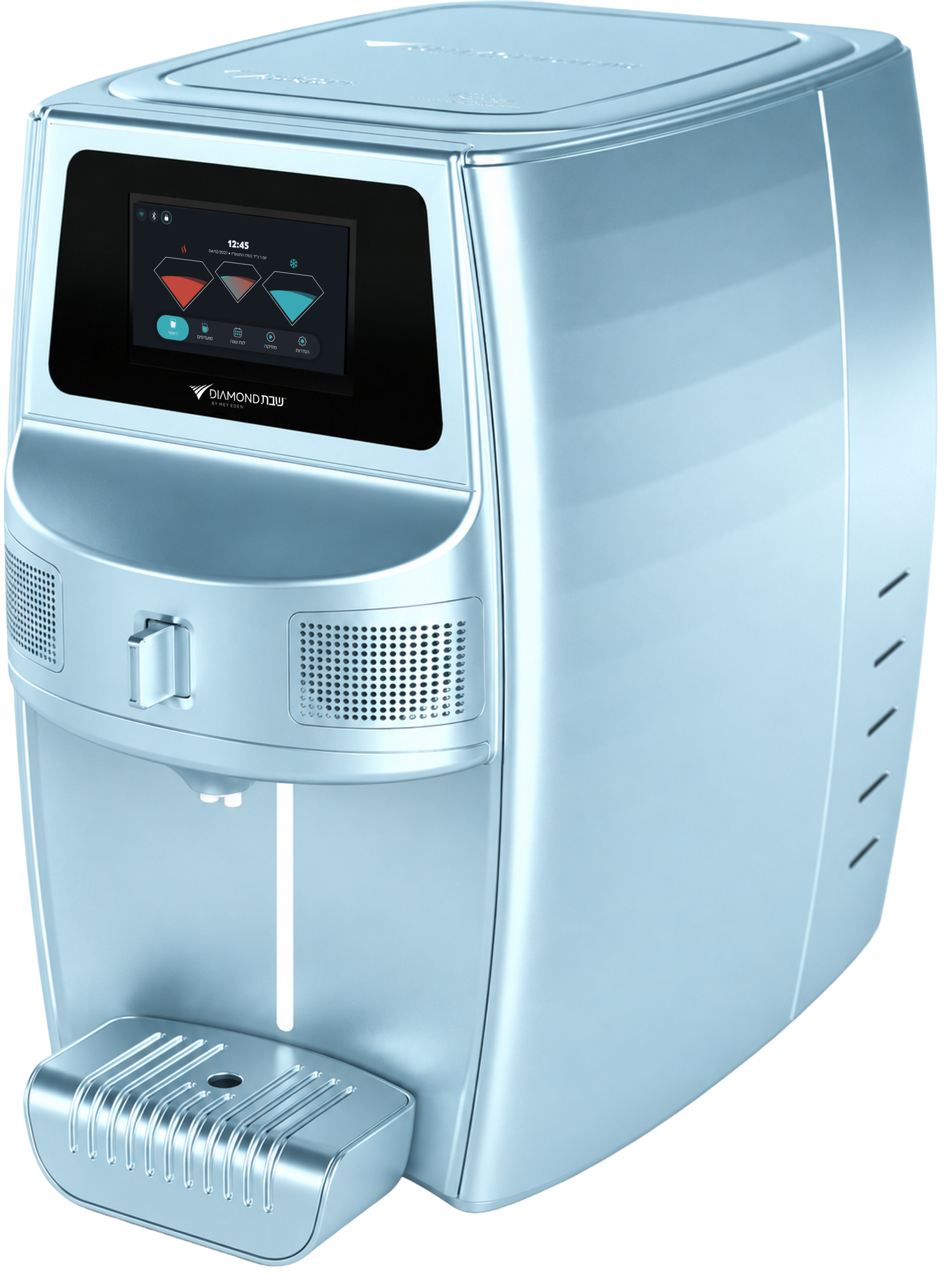
מיני בר מים חדש שמשלב טכנולוגיה מתקדמת, נוחות מפנקת והקפדה על השבת והחג. מחשבה על כל פרט, חוויה בכל כוס. בקרוב, הכול ייחשף.
יכולות הפיתוח של S. B. I.D הן הבסיס הטכנולוגי של החטיבה.
Diamond Smart היא חטיבה ב־SBID ונשענת על הידע של החברה בתחומי החומרה, התוכנה והבקרה. החיבור בין התחומים מאפשר לתכנן את המנגנונים, את אופן הפעולה ואת ממשק המשתמש כחלק ממערכת אחת, ולתת מענה הנדסי לצרכים שמובילים את הפיתוח.
את היכולות האלה ממקדת החטיבה בפיתוח מוצרי חשמל ופתרונות חכמים לבית היהודי. דרישות ההלכה, הצרכים המעשיים וחוויית השימוש מקבלים מקום בתוך התכנון, ומכוונים את ההחלטות מהגדרת הצורך ועד לגיבוש הפתרון.
אנחנו משתמשים בעוגיות (Cookies) ובטכנולוגיות דומות כדי לשפר את החוויה שלך באתר, להציג תוכן מותאם אישית ולנתח את התנועה באתר. לחיצה על "אשר הכל" מהווה הסכמה לשימוש בכל העוגיות. ניתן להתאים את ההגדרות בכל רגע ע"י לחיצה על "ניהול העדפות".
S.B.I.D הצהרת נגישות
We firmly believe that the internet should be available and accessible to anyone, and are committed to providing a website that is accessible to the widest possible audience, regardless of circumstance and ability.
To fulfill this, we aim to adhere as strictly as possible to the World Wide Web Consortium’s (W3C) Web Content Accessibility Guidelines 2.1 (WCAG 2.1) at the AA level. These guidelines explain how to make web content accessible to people with a wide array of disabilities. Complying with those guidelines helps us ensure that the website is accessible to all people: blind people, people with motor impairments, visual impairment, cognitive disabilities, and more.
This website utilizes various technologies that are meant to make it as accessible as possible at all times. We utilize an accessibility interface that allows persons with specific disabilities to adjust the website’s UI (user interface) and design it to their personal needs.
Additionally, the website utilizes an AI-based application that runs in the background and optimizes its accessibility level constantly. This application remediates the website’s HTML, adapts Its functionality and behavior for screen-readers used by the blind users, and for keyboard functions used by individuals with motor impairments.
If you’ve found a malfunction or have ideas for improvement, we’ll be happy to hear from you. You can reach out to the website’s operators by using the following email
Our website implements the ARIA attributes (Accessible Rich Internet Applications) technique, alongside various different behavioral changes, to ensure blind users visiting with screen-readers are able to read, comprehend, and enjoy the website’s functions. As soon as a user with a screen-reader enters your site, they immediately receive a prompt to enter the Screen-Reader Profile so they can browse and operate your site effectively. Here’s how our website covers some of the most important screen-reader requirements, alongside console screenshots of code examples:
Screen-reader optimization: we run a background process that learns the website’s components from top to bottom, to ensure ongoing compliance even when updating the website. In this process, we provide screen-readers with meaningful data using the ARIA set of attributes. For example, we provide accurate form labels; descriptions for actionable icons (social media icons, search icons, cart icons, etc.); validation guidance for form inputs; element roles such as buttons, menus, modal dialogues (popups), and others. Additionally, the background process scans all the website’s images and provides an accurate and meaningful image-object-recognition-based description as an ALT (alternate text) tag for images that are not described. It will also extract texts that are embedded within the image, using an OCR (optical character recognition) technology. To turn on screen-reader adjustments at any time, users need only to press the Alt+1 keyboard combination. Screen-reader users also get automatic announcements to turn the Screen-reader mode on as soon as they enter the website.
These adjustments are compatible with all popular screen readers, including JAWS and NVDA.
Keyboard navigation optimization: The background process also adjusts the website’s HTML, and adds various behaviors using JavaScript code to make the website operable by the keyboard. This includes the ability to navigate the website using the Tab and Shift+Tab keys, operate dropdowns with the arrow keys, close them with Esc, trigger buttons and links using the Enter key, navigate between radio and checkbox elements using the arrow keys, and fill them in with the Spacebar or Enter key.Additionally, keyboard users will find quick-navigation and content-skip menus, available at any time by clicking Alt+1, or as the first elements of the site while navigating with the keyboard. The background process also handles triggered popups by moving the keyboard focus towards them as soon as they appear, and not allow the focus drift outside it.
Users can also use shortcuts such as “M” (menus), “H” (headings), “F” (forms), “B” (buttons), and “G” (graphics) to jump to specific elements.
We aim to support the widest array of browsers and assistive technologies as possible, so our users can choose the best fitting tools for them, with as few limitations as possible. Therefore, we have worked very hard to be able to support all major systems that comprise over 95% of the user market share including Google Chrome, Mozilla Firefox, Apple Safari, Opera and Microsoft Edge, JAWS and NVDA (screen readers).
Despite our very best efforts to allow anybody to adjust the website to their needs. There may still be pages or sections that are not fully accessible, are in the process of becoming accessible, or are lacking an adequate technological solution to make them accessible. Still, we are continually improving our accessibility, adding, updating and improving its options and features, and developing and adopting new technologies. All this is meant to reach the optimal level of accessibility, following technological advancements. For any assistance, please reach out to